
What Does a Criminal Defense Lawyer Do?
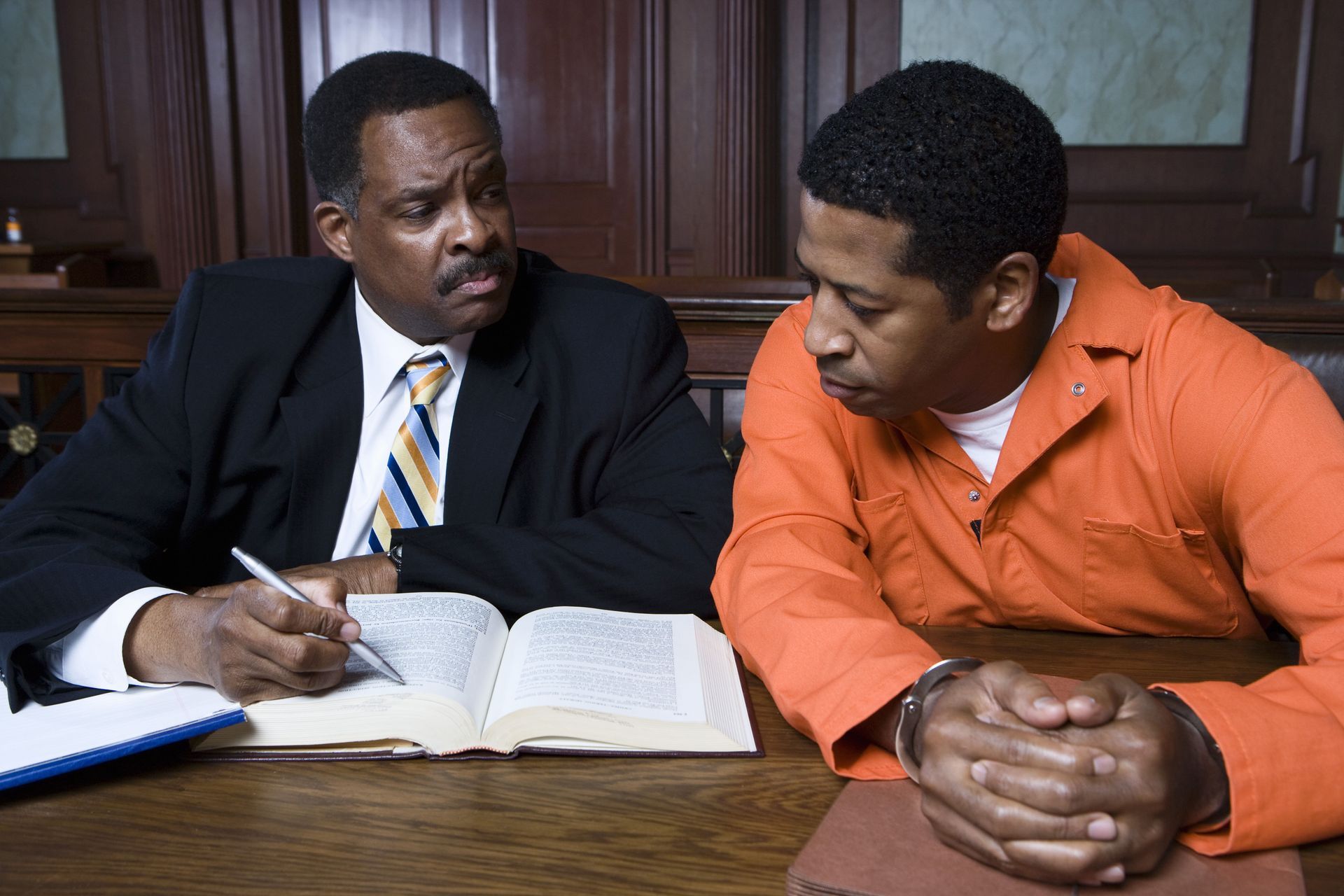
A criminal defense lawyer plays a pivotal role in the legal system, representing individuals accused of crimes and ensuring their right to a fair trial. These legal professionals are tasked with safeguarding the constitutional rights of the accused while navigating the complexities of the legal process. Their work is vital in maintaining the balance of justice, as they provide a voice for those who may be marginalized or misunderstood within the system.
The role extends beyond just representing a client in court; it involves a deep commitment to ethical standards and a profound understanding of legal principles. These lawyers are often the last line of defense for individuals facing the might of the state, charged with crimes that could result in severe penalties. According to Vera, an arrest occurs every three seconds in the United States, which keeps the demand for skilled representation consistently high.
Defining the Scope and Ethical Boundaries of a Criminal Defense Lawyer
A criminal defense lawyer is a legal professional who specializes in defending individuals and entities charged with criminal conduct. Their scope of practice includes representing clients during investigations, in court hearings, and at trial. These lawyers must possess a deep understanding of criminal law, procedural rules, and constitutional rights to effectively advocate on behalf of their clients. They work diligently to ensure that defendants receive a fair trial and that government overreach is prevented across a broad spectrum of cases, ranging from minor offenses to serious felonies.
Ethical responsibilities are at the core of a criminal defense lawyer's practice, governed by strict professional codes of conduct. This includes maintaining absolute client confidentiality, avoiding conflicts of interest, and providing competent representation. They must balance their duty to zealously represent their clients with their obligation to the court and society. Unlike civil lawyers who handle disputes between individuals, a criminal defense lawyer deals with cases where the state prosecutes an individual, meaning the stakes often involve the loss of personal liberty.
Furthermore, these professionals must maintain absolute candor toward the tribunal while fiercely protecting the narrative of the accused. Navigating these professional boundaries demands an exceptional moral compass, especially when public pressure impacts high-profile cases. By remaining steadfast in their ethical duties, they preserve the underlying integrity of the judicial infrastructure, ensuring that guilt is never presumed and that every individual receives equal protection under the law.
Investigating Cases and Building Effective Pre-Trial Defense Strategies
The pre-trial phase begins with an initial consultation where the criminal defense lawyer gathers information about the charges, the client's background, and available evidence. This meeting is crucial for building trust and establishing a collaborative attorney-client relationship. Following this, the lawyer conducts a thorough investigation, often with the assistance of private investigators, to review police reports, interview witnesses, and gather evidence that supports the defense or establishes reasonable doubt.
After analyzing the evidence, the lawyer advises the client on the best course of action, which may include developing a specific trial strategy or engaging in plea bargaining. Plea bargaining is a common pre-trial activity where the defense lawyer negotiates with the prosecution to potentially secure reduced charges or a lighter sentence. Additionally, filing pre-trial motions, such as motions to suppress illegally obtained evidence or dismiss charges, allows the attorney to challenge the prosecution's case before it ever reaches a courtroom.
This phase often dictates the entire trajectory of the legal matter, as a well-argued motion can dismantle the prosecution's foundation before a jury is ever empaneled. Attorneys carefully scrutinize police conduct, checking for constitutional violations during searches, seizures, and interrogations. By exposing these procedural flaws, they shield citizens from unlawful government intrusion and ensure that the state adheres strictly to established statutory rules.
Advocating for Clients Throughout the Courtroom Trial Process
Once a case goes to court, the trial begins with jury selection, where the criminal defense lawyer questions potential jurors during voir dire to identify biases and ensure an impartial panel. Following this, the lawyer delivers an opening statement to outline the defense's theory, highlight key evidence, and establish a compelling narrative for the jury. This initial presentation lays the groundwork for all arguments that will follow during the proceedings.
The core of the trial involves the examination and cross-examination of witnesses, where the attorney tests the credibility and reliability of testimony. During direct examination, the lawyer presents witnesses who support the defendant's position, while cross-examination aims to uncover inconsistencies or weaknesses in the prosecution's witnesses. The trial concludes with closing arguments, allowing the criminal defense lawyer to summarize the evidence, emphasize reasonable doubt, and make a final persuasive appeal to the jury.
Litigation requires rapid tactical adjustments, an intimate knowledge of evidentiary rules, and dynamic public speaking abilities. An attorney must listen closely to testimony in real-time, entering timely objections whenever the prosecution steps outside legal bounds. Through persuasive storytelling and rigorous deconstruction of the state's forensic data, they turn abstract legal concepts into an accessible defense that resonates with everyday citizens on the jury.
Managing Post-Trial Motions, Sentencing Advocacy, and Appellate Options
Following a conviction, criminal defense lawyers continue to advocate for their clients during the sentencing phase by presenting mitigating factors, such as remorse or potential for rehabilitation, to influence the court toward a lenient outcome. If legal errors or procedural issues occurred during the trial that affected the outcome, the lawyer will handle filing appeals. This process involves preparing detailed legal briefs and presenting oral arguments before appellate courts to secure a new trial or sentence modification.
Beyond appeals, attorneys pursue post-conviction relief, which can include filing motions for a new trial, seeking sentence reductions, or pursuing the expungement of criminal records. Throughout this stressful aftermath, they provide ongoing client support and counseling to help individuals navigate the practical and emotional challenges of the legal system. In high-profile cases, they also manage public and media relations to protect their client's reputation and ensure accurate representation in the public eye.
This continuous representation underscores the enduring commitment of legal counsel to the well-being of the accused even after a verdict is rendered. They carefully review trial transcripts for judicial missteps, constitutional misapplications, or ineffective assistance of prior counsel. By keeping these legal pathways open, they offer a vital lifeline to individuals seeking to rectify systemic mistakes and reclaim their personal autonomy.
Overcoming Systemic Challenges and Fulfilling Strict Professional Qualifications
Becoming a criminal defense lawyer requires a strong educational foundation, including a bachelor's degree, a Juris Doctor from an accredited law school, and passing the state bar exam. To maintain their licenses, they must engage in continuing education to stay updated on shifting legislation, forensic science developments, and evolving case law. Many professionals also seek board certification in criminal law to validate their expertise and enhance their credibility within the legal community.
Once practicing, these attorneys operate in a high-stress environment, managing heavy caseloads and severe potential penalties while navigating complex ethical dilemmas. They frequently contend with negative public perceptions and stereotypes regarding the defense of accused individuals, requiring constant efforts to educate the community on constitutional rights. Furthermore, resource limitations, particularly in public defense, force a criminal defense lawyer to find creative, efficient solutions to ensure every client receives competent representation despite systemic constraints.
The responsibilities of these legal professionals extend far beyond courtroom advocacy, encompassing rigorous investigative work, strategic negotiations, and vital post-trial support. By protecting individual rights and holding the state to its burden of proof, they serve as an indispensable cornerstone of the justice system. For more information about the services that we offer, reach out to our incredible team at Kaehne & Barrette Criminal Defense Firm today!














Share On: