
6 Reasons Hiring a Criminal Defense Lawyer is Better Than Self-Representation
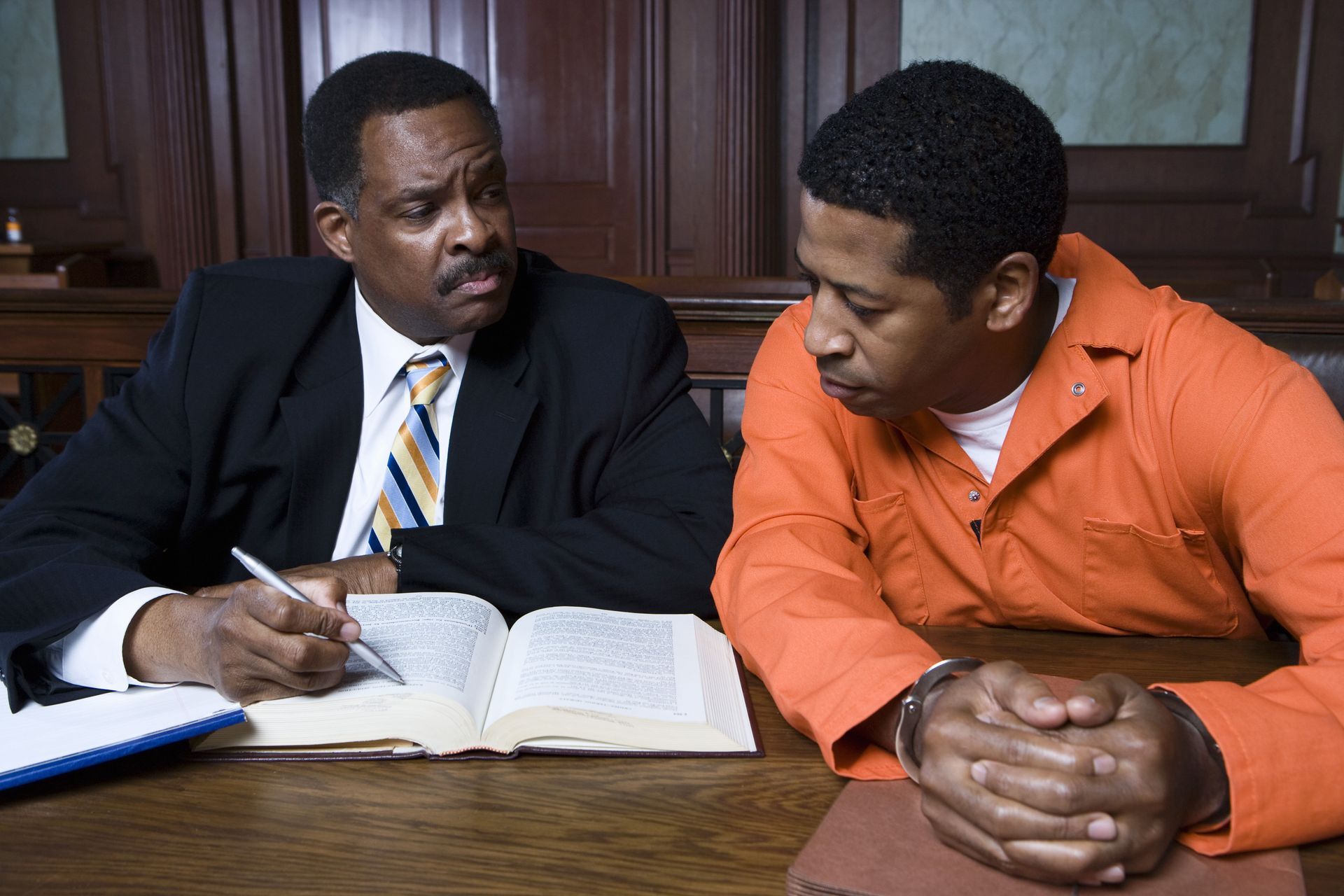
Facing criminal charges ranks among the most unsettling events an individual can encounter. An unexpected arrest threatens personal liberty, professional standing, and reputation within the community. Under intense pressure, some defendants consider self-representation, assuming that personal knowledge of the facts will suffice in court. However, criminal law involves rigid statutory rules that demand seasoned advocacy. Standing alone leaves an individual vulnerable against state prosecutors. Retaining a qualified criminal defense lawyer provides essential support, balancing courtroom dynamics and protecting your future throughout the justice process.
The legal framework governing misdemeanors and felonies does not bend for individuals unfamiliar with courtroom procedure. Judges require every defendant to adhere to local protocols, evidentiary standards, and strict filing deadlines. Prosecutors bring substantial government resources to obtain a conviction, whether the case involves drunk driving, drug charges, violent offenses, or white-collar allegations. When the stakes involve potential incarceration and a lasting criminal record, self-representation introduces unnecessary peril. Choosing professional legal counsel ensures that constitutional safeguards remain intact while a disciplined defense takes shape.
1. Navigate Procedures and Protocols
Managing a criminal prosecution involves far more than simply explaining an incident to a judge. The court system functions under rigid calendars, statutory motion deadlines, and formal filing rules. Missing a deadline can forfeit critical options, such as moving to suppress improperly obtained evidence. A skilled criminal defense lawyer understands statutory timelines and ensures every motion receives timely submission. Developing this legal proficiency demands extensive preparation; according to Juris Education, an aspiring criminal lawyer must complete at least seven years of higher education and legal training before entering practice. This background enables counsel to manage procedural challenges effectively.
Beyond codified statutes, every courthouse relies on local administrative practices and distinct operational customs. An attorney who handles local criminal dockets understands how individual judges oversee proceedings and how prosecutors evaluate specific charges. This practical familiarity helps counsel file appropriate paperwork, maintain proper courtroom decorum, and present motions persuasively. Defendants who choose self-representation often stumble over unwritten procedures, irritating the bench and damaging their credibility. Professional representation maintains respect before the court while asserting every statutory protection available under the law.
2. Evaluate Evidence and Strategies
Formulating an effective defense requires an objective, thorough evaluation of the state's case from the outset. When accused individuals review police reports, personal emotions often cloud their assessment, leading them to dwell on minor disagreements while overlooking significant evidentiary vulnerabilities. An experienced criminal defense lawyer examines police reports, witness statements, and chemical testing records with precision. This scrutiny allows counsel to identify investigative errors, establish sound defense theories, and determine whether a dismissal motion or a trial posture serves the client best.
A detailed case assessment also anticipates the prosecutor's strategy long before opening statements begin. Seasoned advocates spot weaknesses in the government's foundation, such as questionable breath-testing protocols in drunk driving matters or improper evidence storage in drug possession cases. By anticipating how the state plans to present its arguments, counsel can prepare motions to exclude improper testimony and interview key witnesses. Individuals representing themselves rarely possess the investigative background required to challenge state findings, leaving vital defense opportunities unexplored.
3. Negotiate Agreements and Resolutions
Most criminal cases conclude through structured negotiations rather than a contested jury trial. Reaching an advantageous agreement requires legal leverage and experienced negotiation skills. Prosecutors do not reduce charges out of sympathy; they adjust their positions when defense counsel identifies evidentiary problems and demonstrates readiness for trial. A knowledgeable criminal defense lawyer evaluates whether a plea bargain serves the client's interests and clarifies the true impact of any proposed agreement. Without counsel, a defendant may accept an unfavorable deal out of panic or reject a sensible offer without understanding the hazards of trial.
Effective negotiations can also reveal beneficial alternatives that self-represented individuals might never uncover. An attorney can pursue deferred prosecution agreements, diversion options, or reduced misdemeanor classifications that avoid a permanent conviction. For cases involving substance abuse or personal crises, defense counsel can advocate for treatment-oriented resolutions that emphasize rehabilitation over incarceration. Obtaining these outcomes requires detailed familiarity with statutory programs and local court policies. Having dedicated counsel handling negotiations ensures that every viable option for mitigating charges receives serious consideration.
4. Present Arguments and Testimony
When a criminal case proceeds to trial, formal rules of evidence govern every statement, question, and exhibit. Presenting a persuasive defense requires disciplined storytelling, structured arguments, and an intricate knowledge of trial practice. A capable criminal defense lawyer frames compelling opening statements, introduces exhibits according to strict evidentiary rules, and raises immediate objections when the prosecution attempts to offer improper testimony. Defendants who represent themselves routinely fail to make proper objections, allowing damaging and inadmissible material to enter the official record.
Cross-examination demands exceptional preparation and courtroom composure. Questioning law enforcement personnel or adverse witnesses requires precise phrasing and steady control over the narrative. Experienced trial lawyers know how to expose inconsistencies, reveal witness bias, and challenge credibility without alienating the jury. An untrained defendant attempting cross-examination often asks unfocused questions that permit hostile witnesses to restate incriminating allegations. Skilled trial advocacy provides the poise, command, and tactical restraint necessary to deliver a persuasive defense before a judge or jury.
5. Protect Rights and Interests
Throughout an investigation and prosecution, law enforcement officers must respect constitutional boundaries. Police officers sometimes exceed statutory limits during vehicle stops, enter private property without appropriate warrants, or question individuals without proper warnings. A dedicated criminal defense lawyer reviews police conduct to identify civil rights violations. When law enforcement oversteps legal limits, counsel files suppression motions to exclude tainted evidence, which can lead to dismissal of the charges. A defendant lacking formal legal knowledge rarely spots these constitutional violations, forfeiting defenses that could determine the case outcome.
Facing criminal prosecution also takes a severe emotional toll, leaving individuals feeling isolated and uncertain about the future. Worries over personal freedom, family stability, and career continuity generate tremendous pressure. An attorney provides steady guidance, realistic expectations, and clear answers at every stage of the legal journey. Defense counsel clarifies complex statutory provisions, explains what to anticipate at each appearance, and treats clients as individuals facing hardship rather than simple docket numbers. This personal support allows clients to maintain balance while counsel manages the demanding requirements of their case.
6. Mitigate Consequences and Disruptions
The repercussions of a criminal conviction extend well beyond courtroom sentences. A criminal record can impair employment prospects, trigger the revocation of professional credentials, and restrict future residential options. A reputable criminal defense lawyer works to protect your livelihood by seeking to have charges dismissed or reduced to less severe infractions. Counsel designs strategic arguments to avert mandatory incarceration, prevent driver license revocation in drunk driving cases, and shield clients from the lasting stigma of a felony record. Preserving your professional standing requires swift, informed action.
Securing professional representation also saves valuable time and prevents serious procedural errors that cannot easily be undone. Managing a defense alone demands long hours deciphering statutes, drafting documents, and attending court hearings, while carrying the risk of errors that could trigger a bench warrant. Defense counsel oversees these administrative duties, resolves scheduling conflicts, and keeps proceedings moving forward smoothly. By avoiding procedural missteps and protecting career opportunities, working with dedicated counsel provides enduring stability.
Facing criminal charges without an attorney introduces immense risks to your personal freedom and future. The intricacies of statutory law, complex rules of evidence, and seasoned prosecutors make self-representation an overwhelming burden. Retaining a criminal defense lawyer ensures your interests remain defended by an advocate who understands the nuances of the justice system. From challenging questionable evidence through pretrial motions to negotiating charge reductions or presenting a case at trial, an attorney provides the advocacy required to secure the best achievable outcome.
Your liberty, reputation, and livelihood are far too important to leave to chance in a courtroom. When you confront serious allegations, you deserve representation that combines legal knowledge with personal dedication to your case. Contact us at Kaehne & Barrette Criminal Defense Firm today to evaluate your case, protect your legal rights, and fight for your future.














Share On: